Tuesday, November 4, 2008


Learner-centered Instruction
In today's session, we discussed strategies for implementing learner-centered teaching. After Susan Madsen's excellent presentation, we generated a list of terms related to learner-centered instruction, as follows:
group work
power
application
reflection
decision-making
team work
assessment
individualized
responsibility
engagement
research
ownership
sharing
feedback
resistance
empowerment
planning
execution
trust
coaching
activity
floundering
discovery
modeling
We then grouped the terms that were alike in some way and gave those groupings titles. My groups follow:
Techniques: group work, application, reflection, decision-making, team work, research, sharing, coaching, activity, discovery, modeling
Students roles: individualized, power, responsibility, engagement, ownership, empowerment, trust
Instructor roles: individualized, feedback, assessment, planning, execution, trust, coaching
Difficulties: resistance, floundering
Next, we re-grouped the terms to determine if there were other relationships we hadn't explored yet. My examples is:
Interactions: group work, team work, sharing, coaching, modeling, feedback, trust
Things that "stretch" learning: application, reflection, decision-making, research, activity, discovery
Changes: power, responsibility, engagement, ownership
What's hard: individualized, planning, execution, resistance, floundering
Next, we came up with summarizing principles or concepts, such as,
Both interpersonal and mechanical components of teaching must be considered, with particular emphasis on personal ownership.
The process of learner-centered teaching is very interactive, but the outcome is interactive.
We then noted how our categories and these summarizing phrases relate to Weimer's Principles of Learner-centered Instruction (see pg. 82 in her book).
To make these principles more concrete, we reviewed some more learner-centered models of instruction, including Concept Development, Concept Attainment, Cooperative Learning, Cause-and-Effect, and Problem-centered Inquiry (from Instruction: A Models Approach).
Finally, we completed a rubric on our current teaching practices and made goals for transformation (homework).
group work
power
application
reflection
decision-making
team work
assessment
individualized
responsibility
engagement
research
ownership
sharing
feedback
resistance
empowerment
planning
execution
trust
coaching
activity
floundering
discovery
modeling
We then grouped the terms that were alike in some way and gave those groupings titles. My groups follow:
Techniques: group work, application, reflection, decision-making, team work, research, sharing, coaching, activity, discovery, modeling
Students roles: individualized, power, responsibility, engagement, ownership, empowerment, trust
Instructor roles: individualized, feedback, assessment, planning, execution, trust, coaching
Difficulties: resistance, floundering
Next, we re-grouped the terms to determine if there were other relationships we hadn't explored yet. My examples is:
Interactions: group work, team work, sharing, coaching, modeling, feedback, trust
Things that "stretch" learning: application, reflection, decision-making, research, activity, discovery
Changes: power, responsibility, engagement, ownership
What's hard: individualized, planning, execution, resistance, floundering
Next, we came up with summarizing principles or concepts, such as,
Both interpersonal and mechanical components of teaching must be considered, with particular emphasis on personal ownership.
The process of learner-centered teaching is very interactive, but the outcome is interactive.
We then noted how our categories and these summarizing phrases relate to Weimer's Principles of Learner-centered Instruction (see pg. 82 in her book).
To make these principles more concrete, we reviewed some more learner-centered models of instruction, including Concept Development, Concept Attainment, Cooperative Learning, Cause-and-Effect, and Problem-centered Inquiry (from Instruction: A Models Approach).
Finally, we completed a rubric on our current teaching practices and made goals for transformation (homework).
Monday, October 13, 2008
The video is in!
Here is the video of Session 1 of the Teaching Academy on Resistance.
You can also watch it on blip.tv.
You can also watch it on blip.tv.
Wednesday, October 8, 2008
Classroom Assessment Techniques
This week is all about expanding your current perception of assessment to include more than testing. In addition to larger, summative experiences like tests, projects, portfolios, etc. We can also do smaller information-gathering assessments.
Here is a sample of the study guide that my students complete each week.
Also, here is the exit slip that I often use in my classes.
And, finally, here is the metacognition form that I use with my students after a paper-and-pencil exam.
I hope that you enjoy trying some different forms of assessment in your classes!
Here is a sample of the study guide that my students complete each week.
Also, here is the exit slip that I often use in my classes.
And, finally, here is the metacognition form that I use with my students after a paper-and-pencil exam.
I hope that you enjoy trying some different forms of assessment in your classes!
Tuesday, September 23, 2008
Anton's Handouts
Here is Anton Tolman's handout on creating effective groups as well as the Personal Learning Plan he requires of his students. Of this assignment, he says:
1) At the beginning of the term, I have students complete two inventories. One is the RSPQ, an instrument that measures student deep versus surface approaches in their learning. The second is the TTM which is an instrument designed to measure the change process we were discussing at lunch. You'll see those referenced in the PLP instructions.
2) The Objective Map is in the syllabus I handed out just before the Course Schedule at the end.
1) At the beginning of the term, I have students complete two inventories. One is the RSPQ, an instrument that measures student deep versus surface approaches in their learning. The second is the TTM which is an instrument designed to measure the change process we were discussing at lunch. You'll see those referenced in the PLP instructions.
2) The Objective Map is in the syllabus I handed out just before the Course Schedule at the end.
Session One - Resistance
In session 1, I presented an overview of student and faculty resistance. I started with this topic because I thought it might be important for us to consider the obstacles we may encounter when changing to a learner-centered model before we begin making those changes.
Here is the presentation that I used in the session:
You can also access the presentation online at: http://docs.google.com/Presentation?id=dc7d3btp_11dtjqwh73
Completing the reading in Chapter 7 of Weimer's book helped me to realize a few things that I feel are important to share with you.
First, and perhaps most important, is this quote from page 151: "The fear becomes a major anxiety for students who face learning tasks without confidence in themselves as learners." Realizing that our students don't know how to learn may help us to scaffold the process and be a bit more understanding of their concerns.
Second, if our students are complaining that our new methods require more work, we're probably doing it right. We should listen to their concerns and make sure they're getting out of the experienced what we intended them to, but we shouldn't back down simply because the students don't like to work hard.
Third, I feel strongly that open communication with our students about what we're doing and why we're doing it will reduce the level of resistance.
And, finally, as we talked about at the luncheon, perhaps the most important thing for us to remember professionally is that we need to document the impact of these new approaches. Compare the new sections to the old, keep copies of student work, solicit feedback from students, have the department chair or a student consultant come in and observe, etc.
Here is the presentation that I used in the session:
You can also access the presentation online at: http://docs.google.com/Presentation?id=dc7d3btp_11dtjqwh73
Completing the reading in Chapter 7 of Weimer's book helped me to realize a few things that I feel are important to share with you.
First, and perhaps most important, is this quote from page 151: "The fear becomes a major anxiety for students who face learning tasks without confidence in themselves as learners." Realizing that our students don't know how to learn may help us to scaffold the process and be a bit more understanding of their concerns.
Second, if our students are complaining that our new methods require more work, we're probably doing it right. We should listen to their concerns and make sure they're getting out of the experienced what we intended them to, but we shouldn't back down simply because the students don't like to work hard.
Third, I feel strongly that open communication with our students about what we're doing and why we're doing it will reduce the level of resistance.
And, finally, as we talked about at the luncheon, perhaps the most important thing for us to remember professionally is that we need to document the impact of these new approaches. Compare the new sections to the old, keep copies of student work, solicit feedback from students, have the department chair or a student consultant come in and observe, etc.
Sunday, September 7, 2008
Introduction
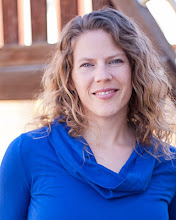
Welcome to the UVU Teaching Academy on Learner-Centered Teaching. I am Dr. Suzy Cox and will be the facilitator for the teaching academy this year. After six years of study and instruction in Educational Psychology, I am very excited to share the principles and methods of learner-centered teaching with you. This week's topics are an introduction to the principles of learner-centered teaching and, particularly, student and faculty resistance.
Subscribe to:
Posts (Atom)